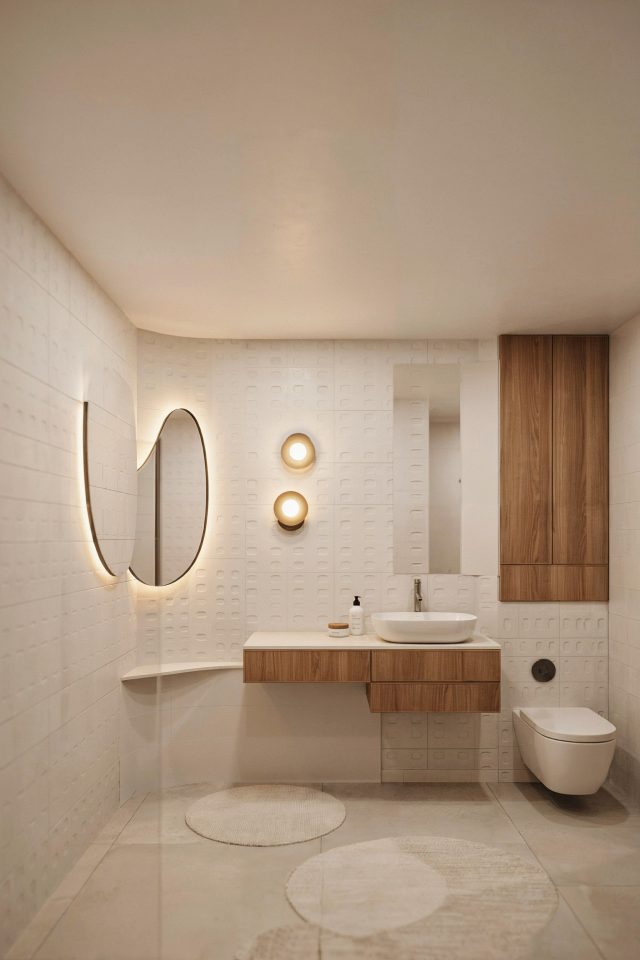
If you have a small half bath that feels cramped or just boring, you might be looking for a new direction. Japandi half bath ideas offer a beautiful solution. This style blends Japanese minimalism with Scandinavian practicality, creating a calm, uncluttered space even in the tiniest powder room. Think clean lines, natural wood accents, and muted earth tones all working together to make your half bath feel like a spa retreat. I have been experimenting with this look in my own home, and I want to share what I have learned so you can do the same without feeling overwhelmed.
What Exactly Is Japandi Design and Why It Works for a Powder Room
Japandi is not just a trend. It is a thoughtful fusion of two design cultures that value simplicity, function, and natural beauty. From Japan you get the principle of wabi-sabi, which finds beauty in imperfection and impermanence. From Scandinavia you get hygge, a focus on comfort and coziness. Together they create a look that feels warm yet spare, intentional but not stark.
For a half bath, which is often the smallest room in the house, Japandi is a perfect match. You do not have to fill the space with lots of stuff. Instead you let a few quality pieces shine. The neutral palette helps the room feel bigger, and the natural materials add texture without visual clutter. If you have never tried minimalism before, Japandi is a gentle entry point because it still feels inviting and lived in.
Choosing the Right Color Palette for a Japandi Half Bath
Color is where most beginners get stuck, but Japandi makes it easy. Stick to muted earth tones and soft neutrals. Think warm off-whites, pale beiges, soft clay, sage green, and dusty blue. These colors feel calm and do not fight for attention. Avoid pure white, which can feel cold and clinical. Instead look for shades with a hint of yellow or brown undertone, like oatmeal or mushroom.
You can also bring in one darker accent, like a charcoal vanity or a slate vessel sink, to ground the space. But keep it limited. The goal is a peaceful background where natural wood and greenery can pop. I personally love a wall color called “warm putty” from most paint brands. It looks neutral but has enough character to make the room feel complete on its own.
Essential Materials and Textures for a Calm Spa Look
Japandi relies heavily on texture because the color palette is so restrained. You want to touch everything in the room. Natural wood is the star. Use it for your vanity, shelves, mirror frame, or even a small stool. Oak, walnut, and teak work beautifully. Avoid glossy finishes. A matte or lightly oiled surface feels more authentic.
Other key materials include:
- Stone or ceramic for tiles and sinks. Matte finishes are preferred over shiny glazes.
- Linen or cotton for towels and small rugs. Choose earthy beige or undyed natural tones.
- Clay or terracotta for accessories like soap dishes or plant pots.
- Bamboo or rattan for baskets and mirror accents. These add warmth without heaviness.
Mixing these textures is what gives a small half bath that rich, spa-like feel even when everything is very simple. I always advise starting with one wood element and one stone element, then layering from there.
Flooring and Wall Ideas That Keep the Room Feeling Open
In a small half bath, flooring can either make the room feel bigger or shrink it. Japandi favors natural stone look tile, large format porcelain with a matte finish, or wide plank wood. If you choose wood, make sure it is a species that can handle occasional moisture, or use a high quality engineered wood. You can also use bamboo flooring, which is sustainable and fits the aesthetic perfectly.
For walls, the Japandi approach is to keep them simple. One accent wall with a subtle texture works well. Try vertical shiplap painted in a soft earth tone, or a tile backsplash behind the vanity in a matte zellige style. The tiles should have slight color variation to mimic natural clay. Do not use busy patterns or large contrasting grout lines. Everything should blend softly.
If you really want to open up the room, consider a large mirror with a thin wood frame. It reflects light and makes the space feel at least twice as big. I recommend hanging it so the bottom edge sits a few inches above the sink for a clean look.
Warm Lighting: The Secret to a Cozy Japandi Powder Room
Lighting can make or break the Japandi feel. You want warm lighting with a color temperature around 2700K to 3000K. Cool blue or bright white lights will ruin the calm atmosphere. Use dimmable fixtures if possible so you can adjust the mood depending on the time of day.
Place sconces on both sides of the mirror to eliminate shadows on your face. Choose fixtures with natural materials like brass, blackened steel, or wood. A simple paper lantern pendant from the ceiling adds that Japanese touch without trying too hard. For a small half bath without a window, you can also add a small table lamp on the vanity or a corner shelf to create a cozy glow. Just make sure it is rated for damp areas or keep it away from direct water splashes.
Storage Solutions That Hide Clutter While Adding Beauty
Half baths often lack storage, but Japandi teaches us that less is more. You do not need to store everything in the powder room. Keep only what you use daily: hand soap, a small towel, maybe a candle or plant. For everything else, use a floating vanity with a drawer or a simple wooden shelf above the toilet. The floating vanity also makes the room feel larger because you see the floor underneath.
If you need extra storage for toilet paper or cleaning supplies, choose a woven basket made of sea grass or bamboo. Place it beside the toilet or under the sink. Avoid plastic bins. A single wooden ladder shelf leaning against the wall can hold rolled towels and a small succulent. The key is to display only a few items, each with a purpose and a beautiful shape.
Simple Decor Touches That Finish the Look Without Overdoing It
Decor in a Japandi half bath should be minimal and intentional. One or two pieces of ceramic art on the wall, a small vase with a single branch, or a smooth stone soap dish can be enough. Live plants are perfect: a small fern, a snake plant, or a peace lily thrive in bathroom humidity. Choose a simple terracotta or ceramic pot without fussy patterns.
For the mirror, go with a round or oval shape. The soft curves break up all the straight lines and rectangles in the room. A mirror with a natural wood frame or a simple metal rim works well. Do not add any decorative signs or word art. Let the materials and shapes speak for themselves. I once added a small wooden sculpture of a bird on the windowsill and it became the focal point without trying.
Remember that less is more. If you find yourself wanting to add another object, step back and see if the room already feels peaceful. Often it does. The beauty of Japandi is that emptiness is not emptiness. It is space for your mind to rest.
Designing a Japandi half bath does not require a big budget or a complete renovation. Start with a fresh coat of paint in a warm neutral, swap your light bulbs for warm ones, and add one natural wood accessory. You will be surprised how quickly the room transforms. If you try any of these ideas, I would love to hear what worked for you. Save this article to your Pinterest board for your next remodel, and enjoy your new calm little space.
Leave a Comment