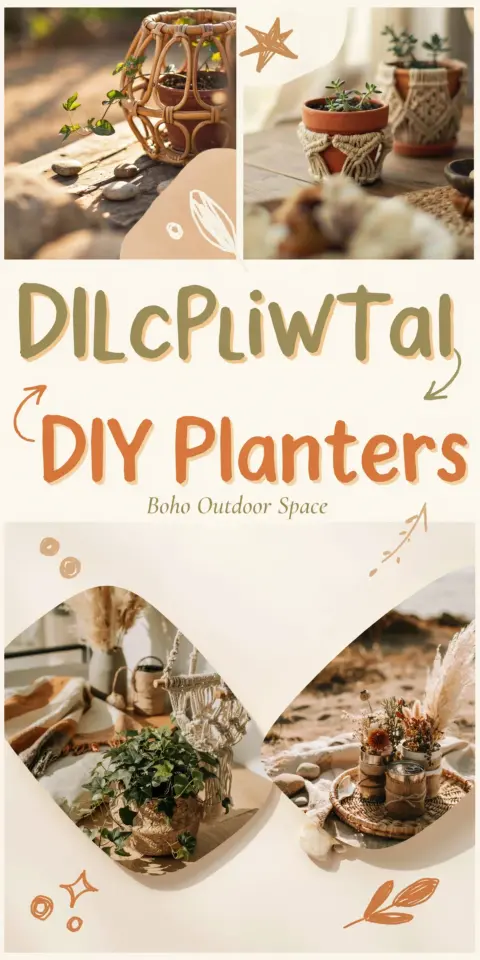
Why I Started Using Toilet Paper Tube Pots
I’ll admit, I used to buy those plastic seed‑starting trays every spring, rinse them out, and store them in a bin that never quite fit anywhere. Then I stumbled onto the idea of toilet paper tube seedling pots while scrolling a zero‑waste forum. It sounded almost too simple, but after one season of trying them, I haven’t looked back. These little cardboard rolls turn an everyday trash item into a free, biodegradable planter that goes straight into the garden.
What sold me was the transplant shock reduction. With plastic pots you have to pop the seedling out, often damaging delicate roots. With a tube you just dig a hole and drop the whole thing in. The cardboard breaks down over a few weeks, feeding worms and microbes. Plus, no more washing dirty plastic trays.
How to Prepare the Tubes for Planting
Start saving your toilet paper rolls about a month before seed‑starting season. I keep a basket on the bathroom counter so I don’t forget. You want tubes that are clean and dry. If they have a bit of leftover tissue, just peel it off.
To make them pot‑ready, take a pair of scissors and make four vertical cuts about 1 inch deep around one end of each tube. Then fold those tabs inward like a little star. This creates a bottom that holds soil but still lets water drain. Some people use a stapler or tape, but I find the folded tabs work fine if you press them flat.
- Score the tube with a knife or scissors for easier folding.
- Set them upright in a shallow tray or a reused takeout container.
- Label each tube with a permanent marker on the outside so you don’t forget what you planted.
I often do a whole batch of 20 or 30 tubes while watching a show. It takes maybe ten minutes. The folded bottom isn’t perfectly watertight, but that’s actually good – you want excess water to drain out so the seedlings don’t rot.
The Right Soil Mix for Seed Starting
Regular garden soil is too heavy for tiny seeds. I use a seed‑starting mix from the store, but you can make your own with equal parts peat moss (or coconut coir), vermiculite, and perlite. The trick is to moisten the mix slightly before filling the tubes. Dry mix will settle and create air pockets, which dries out the roots fast.
Squeeze a handful of the mixture in your fist. It should hold its shape but not drip water. Then spoon it gently into each tube and tap the side of the tray to settle the soil. Leave about a quarter‑inch of space at the top so you can cover seeds lightly.
Planting Seeds in Recycled Cardboard Pots
I plant two or three seeds per tube, then thin to the strongest one later. For small seeds like basil or lettuce, I scatter a pinch on top and cover with a fine layer of the mix. For bigger seeds like beans or sunflowers, I poke a hole with a chopstick and drop one seed in.
One thing I learned the hard way: don’t overfill the tray with water after planting. Instead, water from the bottom. Pour a little water into the tray and let the tubes wick it up. That keeps the cardboard from getting soggy and falling apart before the sprout roots hold it together.
Watering and Caring for Seedlings
Cardboard dries out faster than plastic, so I check moisture every morning. Stick your finger into the side of a tube. If it feels dry an inch down, it’s time to water. I use a spray bottle for gentle overhead watering until the seedlings are a few inches tall, then switch to bottom watering with a tray.
I also rotate the tray every few days because the seedlings lean toward the window. And I keep a small fan nearby on low speed once the true leaves appear. That strengthens the stems and prevents damping‑off fungus. Cardboard pots already breathe better than plastic, but airflow still helps.
Transplanting the Whole Pot into the Ground
This is where the magic happens. When the seedlings have at least two sets of true leaves and the weather is warm enough, I dig a hole as deep as the tube. I peel off any paper label from the outside (the ink can contain heavy metals) and then place the whole tube into the hole. No removing the plant, no messy root ball.
I cover the top edge of the tube with soil so it doesn’t stick up and wick moisture away. Water the spot well after planting. The cardboard will start breaking down within a week or two, and earth
#toiletpapertubepots #seedstarting #diypianters #recycledgarden #zerowaste
Leave a Comment